
Espresso Machines
Find the right espresso machine for how you actually drink
From the $110 Stilosa to the Barista Touch Impress — every machine scored on what lands in the cup, how it handles milk, and how much work it wants from you. Answer a few questions and our engine matches the machine to your ritual.
Espresso machines fail people in a predictable way: the machine class does not match the owner. Purists get bored by super-automatics; busy households abandon manual machines after week two. We track the machines actually worth buying on Amazon across all three classes — manual, semi-automatic, super-automatic — and match you to the class first, the model second.
Top picks right now

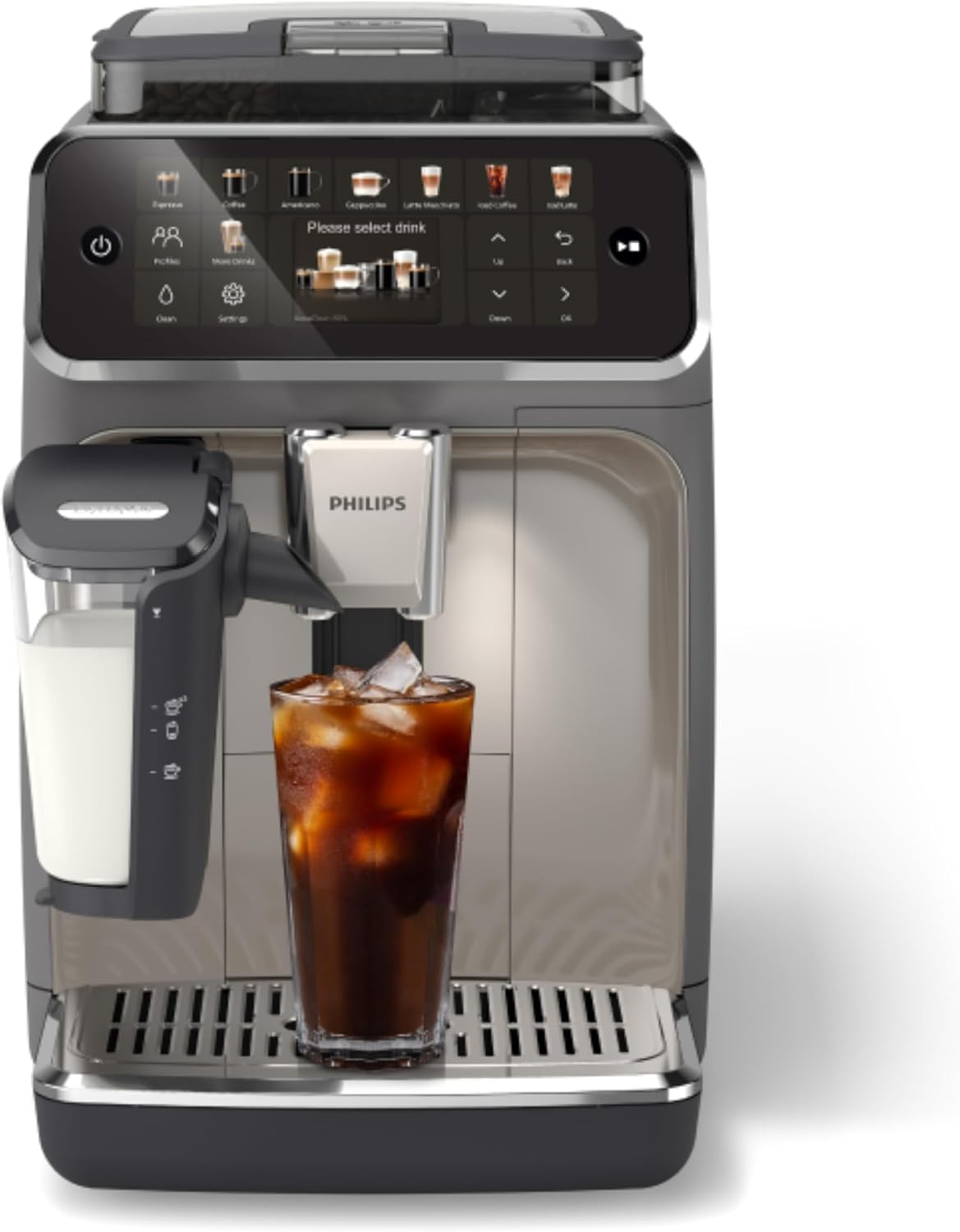

The three classes, honestly
Manual and semi-automatic machines put you in charge of dose, tamp and timing — the ceiling is cafe-grade, the floor is sour disappointment. Assisted semi-autos (Impress, Smart Tamping) automate exactly the failure points. Super-automatics grind, brew and froth at a button: brilliant daily coffee, slightly lower peak. Nobody sells you this distinction on the box.
The grinder is half the machine
Espresso needs a burr grinder with fine adjustment — pre-ground coffee wastes any machine on this page. All-in-ones (Barista Express, La Specialista) include a real one; if you pick a machine without, add $100-200 for a grinder to your true budget. Our engine accounts for that.
Milk systems decide the daily experience
A manual steam wand rewards technique with the best microfoam. Auto-texturing wands (Bambino Plus, Barista Touch) produce it hands-free. Carafe systems (LatteGo, LatteCrema) are the least effort and the easiest to clean. If your order has milk in it, weight this as heavily as the espresso itself.
Rankings by need
Buying guides
Compared head-to-head
- Breville Barista Touch Impress vs Philips 5500 LatteGo: Which Espresso Machine Should You Buy?
- Breville Barista Express vs Barista Express Impress: Is Assisted Tamping Worth $150?
- Philips 3200 LatteGo vs. Philips 4300 LatteGo: Is the Extra $220 Worth It?
- De'Longhi Magnifica Evo vs. Philips 4300 LatteGo: Same Score, So Which One Should You Actually Buy?
- Breville Bambino vs Bambino Plus: Is Automatic Milk Worth $200?
- De'Longhi Magnifica Start vs Magnifica Evo: Is the Extra $150 Worth It?
- Gaggia Classic Evo Pro vs Breville Bambino: which espresso machine should you actually buy?
- Breville Barista Touch vs. De'Longhi La Specialista Maestro: Which $1,000 Espresso Machine Is Right for You?
- Breville Bambino Plus vs De'Longhi Magnifica Start: which $500 espresso machine should you buy?
- De'Longhi Dedica (EC680) vs Casabrews 3700 Essential: Is the Dedica Worth $110 More?